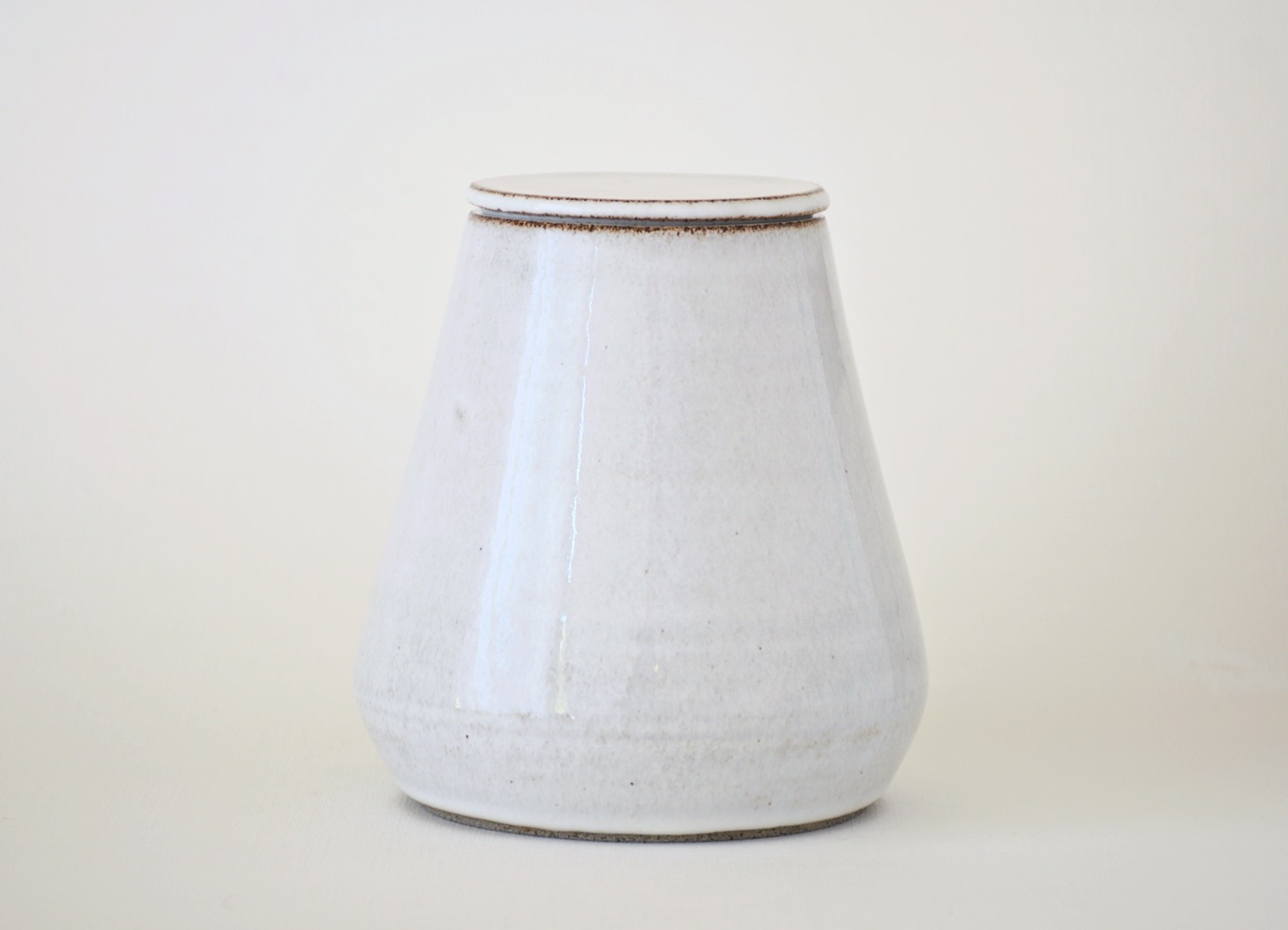
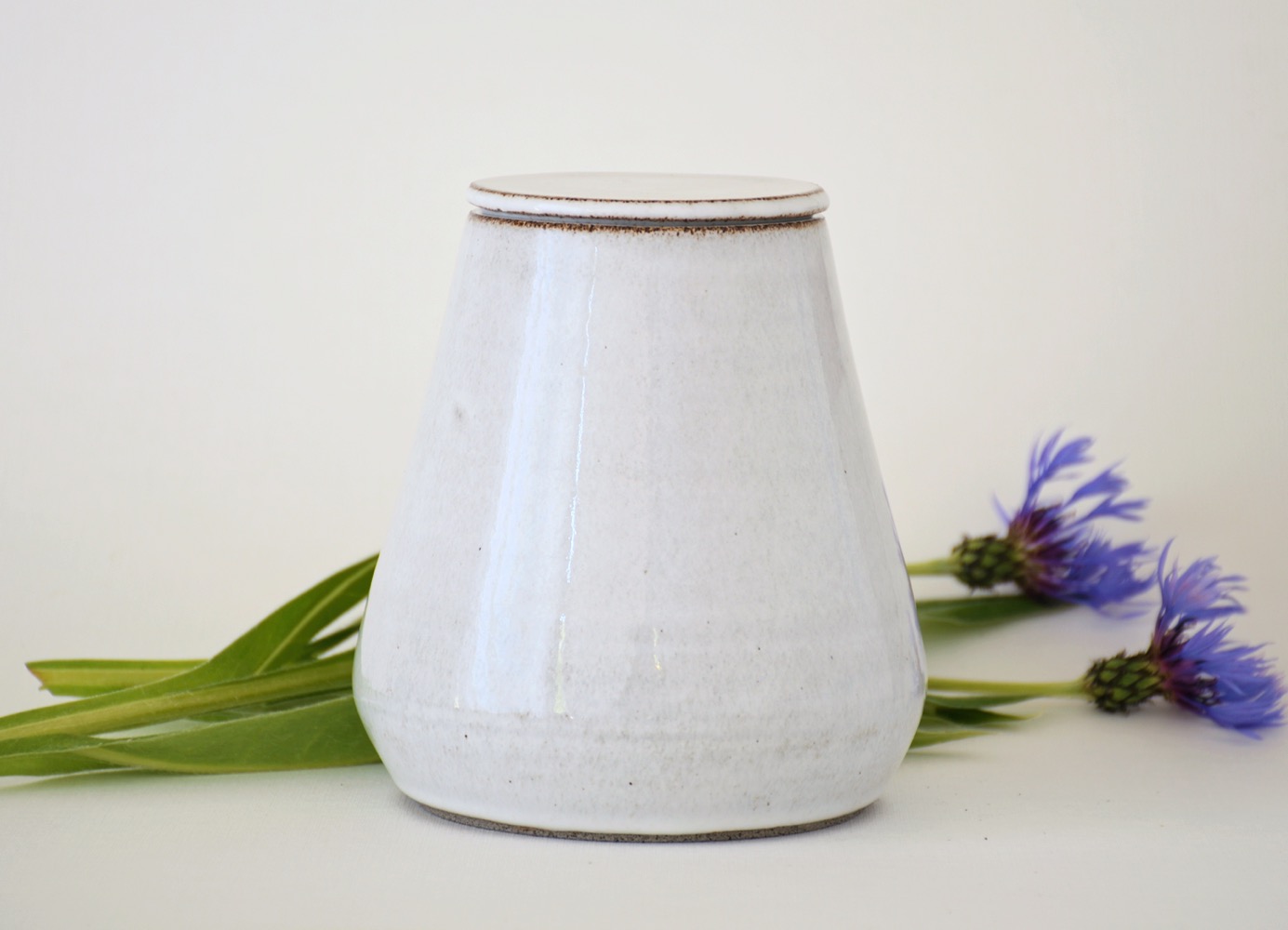
Each Artemis urn is unique
All our urns are traditionally crafted by local, passionate ceramicists. Each piece is unique and made by hand with great love and patience.
The urn you will receive may therefore differ in shape, color & pattern from the images shown and the information provided.
We consciously choose not to create uniform objects, but special, unique urns, in which we welcome variations in shape and glaze as happy coincidences. Organic, artisanal, handmade, at the rhythm of nature, fascinating, sometimes surprising. A bit like life itself.
Determining the correct volume for your urn
The volume is an important factor when choosing a suitable urn. The amount of ashes resulting from the cremation of your deceased loved one can vary greatly. Especially if you wish to keep the entire amount of ashes in one urn, it is important to be well informed.
To provide you with the best possible service, we have prepared an overview showing the minimum volume of the urn based on the body weight of your deceased loved one (before cremation). Click here to consult the article and the overview.
Filling an urn
You can easily fill the urn yourself or have it filled by a family member, although this requires a certain degree of skill and precision. Make sure you fill the urn on a sufficiently large sheet of paper and a flat surface (possibly using a funnel) so that any excess ash can be easily swept together. Use, for example, a clean, flat paint brush for this.
If you find this uncomfortable or unpleasant to do, you can also leave it to the funeral director or crematorium. They usually charge a (small) fee for this.
Sealing an urn
After filling the urn with the ashes of your loved one, you should seal the urn by gluing the lid. We recommend using a transparent contact adhesive for gluing, such as Bison Kit (or a similar product). When you purchase an urn through our webshop, you can also order a tube of Bison Kit transparent contact adhesive.
Once the urn is filled, carefully apply the glue to the lid and around the edge of the urn opening. Place the lid centrally on the urn.
Do not pry the lid and press it on very gently. Use as little force as possible to prevent the lid or urn from breaking, but make sure the lid completely seals the urn. Remove any excess glue with a cloth soaked in acetone.
If you find this uncomfortable or unpleasant to do, you can also leave it to the funeral director or crematorium. They usually charge a (small) fee for this.





 a ziplock ash bag
 Do you have a question?
 Order through your funeral director